Cart 0


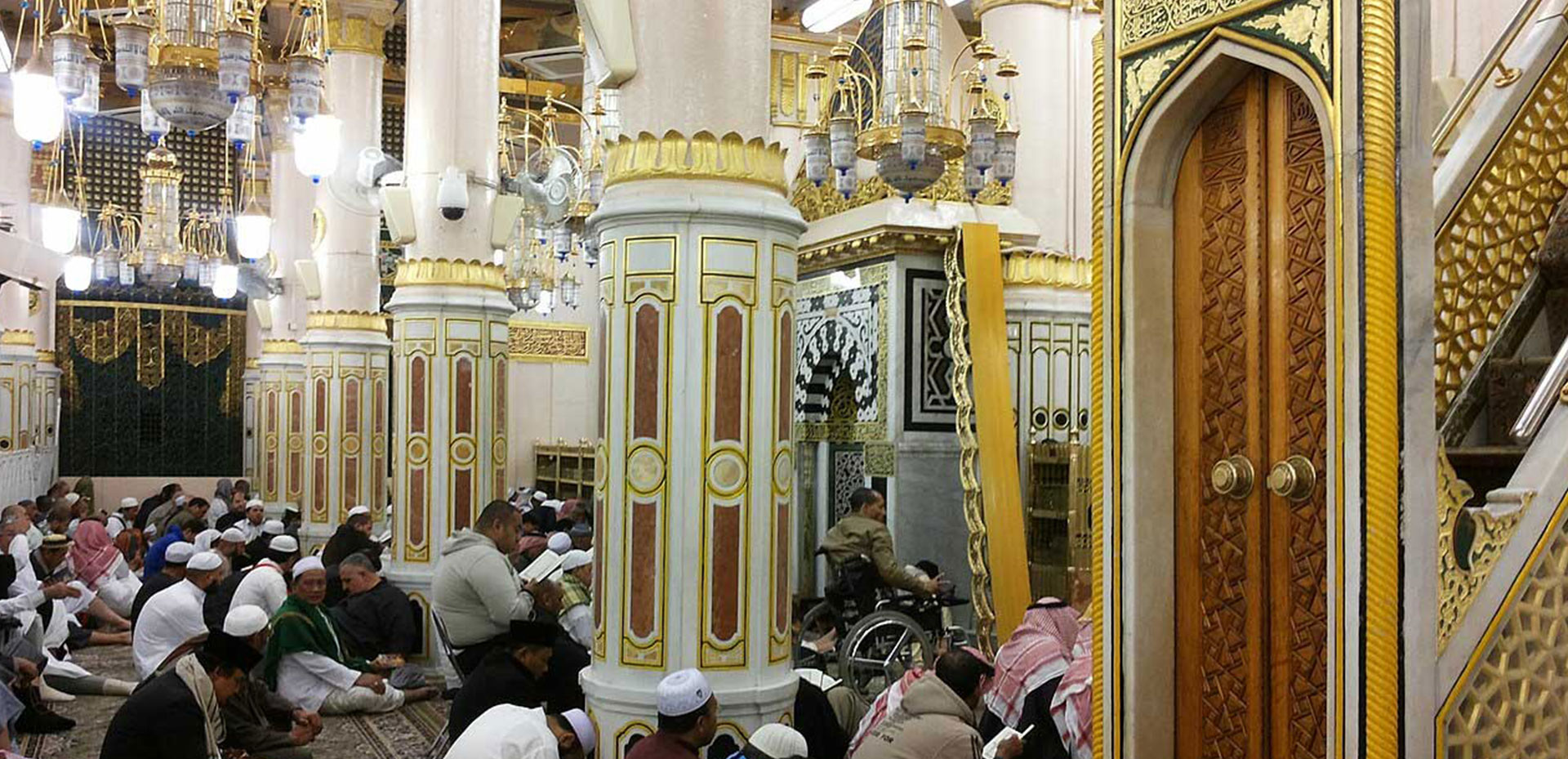
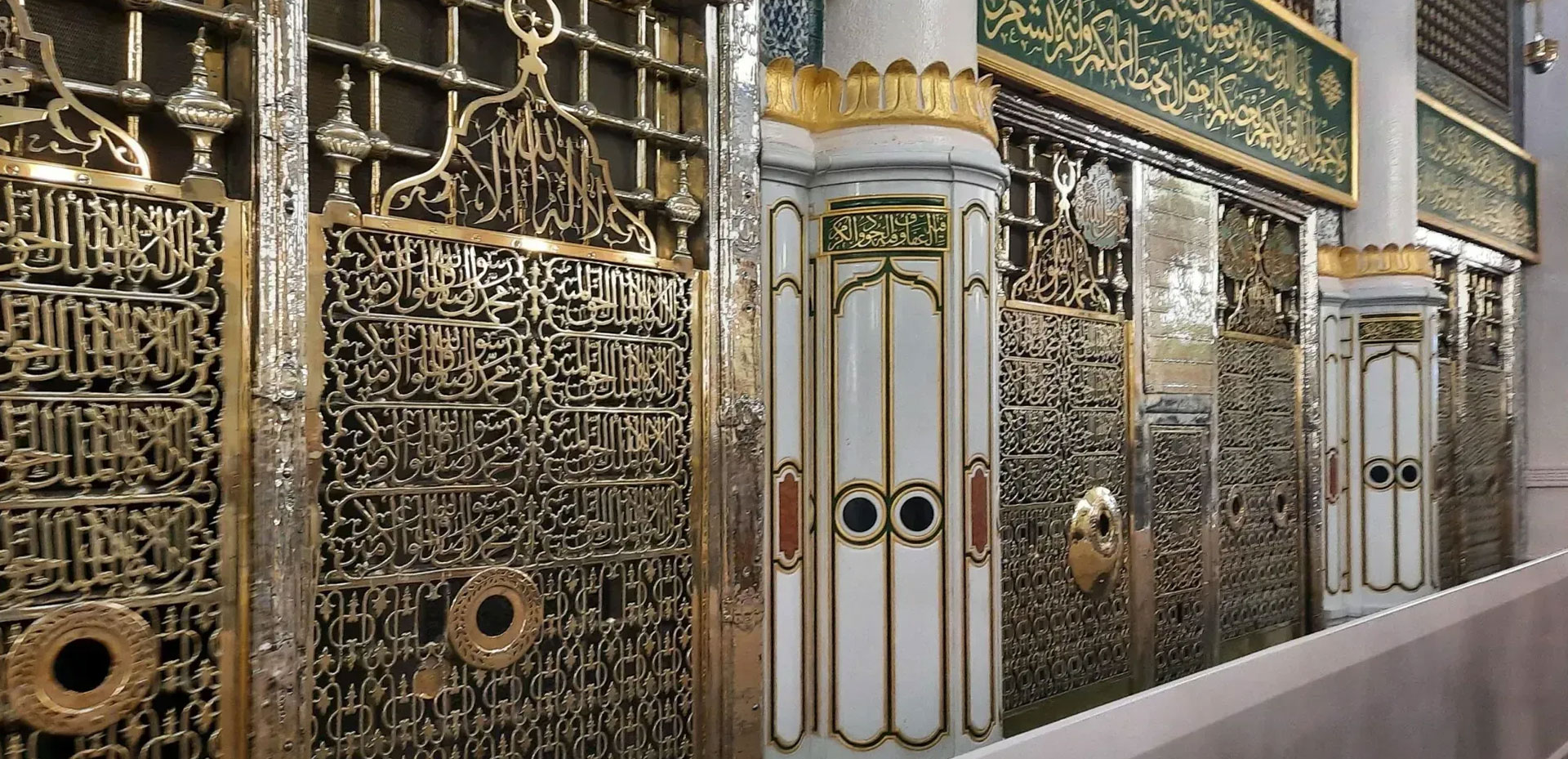
Madinah is a city of profound spiritual and historical significance for Muslims around the world. Known as Al-Madinah Al-Munawwarah — the Radiant City, it is home to the Prophet’s Mosque (Masjid Nabawi), the resting place of Prophet Muhammad ﷺ, and many important sites connected to the history of Islam.
While spending time in Masjid Nabawi is at the heart of your Madinah visit, a Madinah Ziyarat tour gives pilgrims the opportunity to learn about significant events, companions and places associated with the early Muslim community.
If you are planning Umrah in 2026, this Madinah Ziyarat guide highlights seven important places to consider visiting.
Important: Access to some sites, visiting hours and public facilities can change. Always follow the latest instructions from Saudi authorities and site staff.
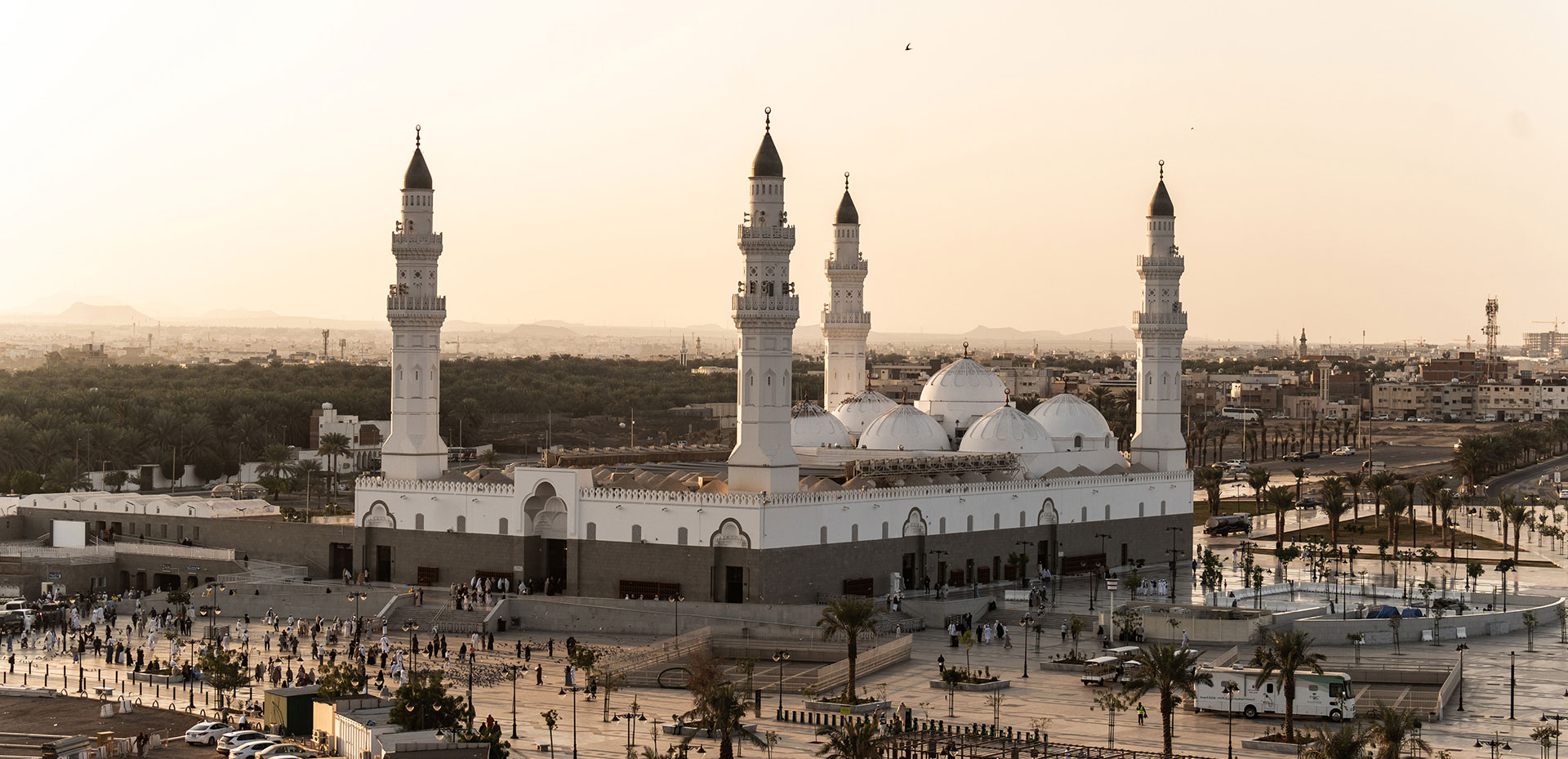
1. Masjid Quba — The First Mosque in Islam
Masjid Quba holds a special place in Islamic history and is widely regarded as the first mosque established by the Prophet Muhammad ﷺ after his arrival in the Madinah area.
The Prophet ﷺ regularly visited Quba and encouraged Muslims to pray there.
The Reward of Praying at Masjid Quba
A well-known hadith describes the virtue of visiting Quba after performing ablution at home:
“Whoever purifies himself in his house, then comes to the mosque of Quba and prays there, will have a reward like that of Umrah.”
Source: Sunan Ibn Majah.
For pilgrims, visiting Masjid Quba provides an opportunity to pray, reflect and appreciate the mosque’s important place in Islamic history.
Ziyarat Tip
Consider visiting Quba earlier in the day when temperatures are more comfortable. Check current opening and access arrangements before travelling.
2. Mount Uhud & the Site of the Battle of Uhud
Mount Uhud is one of the most recognisable landmarks in Madinah and the setting of the Battle of Uhud, one of the most significant battles in early Islamic history.
The battle took place in 3 AH and involved the Muslims of Madinah and the Quraysh of Makkah.
Among those who were martyred was Hamzah ibn Abdul-Muttalib رضي الله عنه, the uncle of Prophet Muhammad ﷺ.
The area includes the cemetery associated with the martyrs of Uhud.
Why Visit Mount Uhud?
A visit allows pilgrims to reflect on:
- The sacrifices of the companions
- The events of the Battle of Uhud
- The importance of obedience and discipline
- The lives of those who gave everything for Islam
Pilgrims may offer Salam and make dua for the martyrs.
Ziyarat Tip
The area around Uhud can become extremely hot. Wear comfortable footwear, carry water where permitted and follow all safety instructions.
3. Masjid Al-Qiblatayn — The Mosque of the Two Qiblas
Masjid Al-Qiblatayn, meaning “Mosque of the Two Qiblas,” is associated with one of the most important moments in Islamic history: the change in the direction of prayer.
Muslims initially prayed towards Bayt Al-Maqdis (Jerusalem). During the Prophet’s ﷺ time in Madinah, revelation instructed the Muslims to turn towards the Kaaba in Makkah.
The event transformed the direction of Muslim prayer forever.
Why Is Masjid Al-Qiblatayn Important?
The mosque provides an opportunity to learn about:
- The change of the Qiblah
- The history of prayer in Islam
- The Prophet’s ﷺ life in Madinah
- The development of the early Muslim community
Check current visitor arrangements before planning your stop.
4. The Seven Mosques & the Battle of the Trench Area
The area commonly known as the Seven Mosques (Masajid Sab’a) is associated with the location of the Battle of the Trench (Ghazwat Al-Khandaq).
During the battle, the Muslims dug a defensive trench around parts of Madinah to protect the city from the attacking confederate forces.
The site is traditionally associated with several small mosques connected to the positions of companions during the battle.
Why Visit the Seven Mosques?
A visit provides an opportunity to understand:
- The Battle of the Trench
- The Prophet’s ﷺ leadership
- The sacrifices of the companions
- The challenges faced by the early Muslim community
Important Note
The number and historical attribution of the individual small mosques in this area are subjects of historical discussion. For that reason, it is better to describe the area as the Seven Mosques / Khandaq area rather than treating every individual structure as definitively established from the Prophet’s ﷺ time.
5. Masjid Al-Ghamamah — The Mosque of the Clouds
Located close to Masjid Nabawi, Masjid Al-Ghamamah is one of the historic mosques associated with the Prophet Muhammad ﷺ.
The mosque is traditionally associated with places where the Prophet ﷺ performed Eid prayers and Salat al-Istisqa, the prayer for rain.
Its name, Al-Ghamamah, is commonly translated as “the cloud.”
Why Include It on Your Madinah Ziyarat?
Its location makes it a convenient stop when exploring the historic area surrounding Masjid Nabawi.
After completing your prayers at the Prophet’s Mosque, you can explore several nearby historical landmarks on foot.
6. Bir Uthman — The Well of Uthman رضي الله عنه
Bir Uthman, also known as Bir Rumah, is associated with Uthman ibn Affan رضي الله عنه, the third Caliph of Islam.
According to well-known Islamic historical accounts, Uthman رضي الله عنه purchased the well and made its water available to the Muslim community.
The story is remembered as an example of Sadaqah Jariyah — an ongoing charitable contribution whose benefit continues.
Can You Visit Bir Uthman?
Public access to the site can vary, and it should not be assumed that visitors will always be able to enter the property.
If it is closed, respect the restrictions and do not attempt to enter. Your Ziyarat is about remembering the history and legacy associated with the site.
7. Madinah Date Farms & Ajwa Dates
No Madinah Ziyarat tour feels complete without experiencing the city’s famous date-growing heritage.
Madinah is renowned for its dates, particularly Ajwa dates, which hold a special place in Islamic tradition.
A visit to a date market or farm can give you an opportunity to:
- Learn about date cultivation
- See traditional and modern date farming
- Taste different varieties
- Purchase dates as gifts for family and friends
Popular Madinah Dates
Depending on availability, you may find varieties including:
- Ajwa
- Sukkari
- Safawi
- Khudri
- Mabroom
Prices vary depending on the variety, quality and season.
How to Plan Your Madinah Ziyarat Tour
You can explore many of Madinah’s significant sites independently, but a private Madinah Ziyarat tour can make the experience considerably easier.
A private vehicle allows you to create an itinerary around your:
- Prayer schedule
- Rawdah permit
- Hotel location
- Family requirements
- Available time
- Preferred Ziyarat sites
This can be particularly useful for elderly pilgrims, families and groups travelling together.
Private Ziyarat vs. Hop-On Bus
Hop-On / Hop-Off Bus
A sightseeing bus can be a convenient option if you want a structured route and are travelling on a budget.
However, routes and schedules are fixed, meaning you have less control over how long you spend at each location.
Private Madinah Ziyarat
A private Ziyarat vehicle provides greater flexibility.
You can spend more time at sites that interest you and move on when you are ready.
For example, you may want to spend additional time at Masjid Quba, while making shorter stops at other locations.
Which Is Better?
If your priority is flexibility, comfort and convenience, a private Madinah Ziyarat is generally the better option.
How Long Does a Madinah Ziyarat Tour Take?
A typical Madinah Ziyarat itinerary can take approximately 3–5 hours, depending on:
- The number of sites visited
- Traffic
- Prayer times
- Crowds
- Time spent at each location
- Your starting point
Rather than trying to visit everything as quickly as possible, allow enough time to appreciate the historical significance of each location.
Madinah Ziyarat Tips for 2026
1. Plan Around Your Prayers
Your daily prayers should remain the priority. Build your Ziyarat itinerary around your prayer schedule rather than rushing from one site to another.
2. Check Your Rawdah Permit
If you have secured a Rawdah permit, plan your transport and Ziyarat stops around your allocated time.
Read our complete guide:
How to Book a Rawdah Permit on Nusuk — 2026 Guide
3. Start Early
Madinah can become very warm, particularly during the summer months.
An early start can make outdoor visits more comfortable.
4. Wear Comfortable Shoes
Some locations involve walking outdoors. Comfortable footwear is essential.
5. Carry Water
Stay hydrated, especially during warmer periods. Follow local rules regarding where food and drinks may be consumed.
6. Respect the Sites
Remember that these locations are places of Islamic history and reflection.
Follow instructions from Saudi authorities and site staff, respect restricted areas and avoid climbing structures or entering closed sites.
7. Don’t Rush Your Ziyarat
Ziyarat is not simply about collecting photographs at different locations.
Take time to learn about the events connected to each site and reflect on the sacrifices and experiences of the people who came before us.
Frequently Asked Questions About Madinah Ziyarat
What is Ziyarat in Madinah?
Ziyarat refers to visiting significant places associated with Islamic history, including locations connected to the life of Prophet Muhammad ﷺ, his companions and important events in the early Muslim community.
What are the best places to visit in Madinah?
Important places commonly included in a Madinah Ziyarat itinerary include Masjid Quba, Mount Uhud, Masjid Al-Qiblatayn, the Khandaq/Seven Mosques area and historic sites around Masjid Nabawi.
How many days do I need in Madinah?
There is no fixed number of days required. However, allowing several days gives you time to pray at Masjid Nabawi, visit Rawdah if you have a permit, perform Ziyarat and explore Madinah without rushing.
Is Madinah Ziyarat included in Umrah?
Ziyarat is not one of the obligatory rites of Umrah. It is an opportunity to visit important Islamic historical sites while you are in Madinah.
Can I do Madinah Ziyarat without a tour?
Yes. Pilgrims can arrange their own transportation and visit sites independently. However, a private Ziyarat tour can be more convenient if you want an organised itinerary and dedicated transportation.
How much does a private Madinah Ziyarat cost?
Prices vary according to the vehicle, number of passengers, duration, itinerary and service provider. Always confirm the current price before booking rather than relying on old online prices.
Experience Madinah Beyond Masjid Nabawi
Madinah is more than a stop on an Umrah itinerary.
It is a city where Islamic history comes alive — from Masjid Quba and the change of the Qiblah to the Battle of Uhud and the Battle of the Trench.
Take your time. Learn the history. Make dua. Reflect on the sacrifices of the Sahabah رضي الله عنهم and the life of Prophet Muhammad ﷺ.
And when you are ready to explore, let your Madinah Ziyarat journey be more than a sightseeing tour — make it a meaningful part of your pilgrimage.